When we think of our favorite movies, shows, or games, we often think of a leading character that we may resonate with. These characters may shape who we are or how we perceive daily life. For this reason, character design in media is quite crucial to storytelling. Not only does it stand for aesthetic purposes, but it also reflects cultural trends, technology, and societal expectations. Character design has evolved across cartoons, movies, video games, and even children’s media, and continues to influence people to this day.
In early entertainment, many characters stood out amongst the rest, such as Mickey Mouse, Popeye, and Donald Duck. Due to the nature and limitations of early animation at the time, such characters were forced to have straightforward, bold designs; such designs stuck out to the viewer. Designers were forced to create something memorable, yet still eye-catching— this is what established visual tropes still used today, such as exaggerated features and expressive silhouettes. For this reason, almost all characters at this time were simply… iconic.
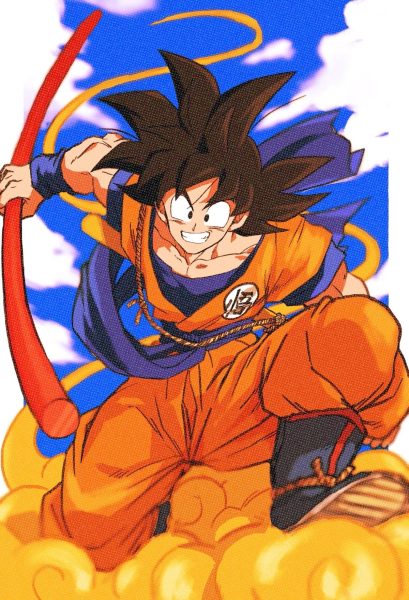
In later entertainment, simple two-dimensional characters underwent a drastic change. Designers began to shift traditional, hand-drawn characters into digital software. Suddenly, character design reached an entirely new level. “Older” cartoons, such as Dragon Ball Z or Scooby Doo, were now replaced with shows like Adventure Time and Steven Universe. Modern cartoons and characters could now experiment with shape language, color palettes, and inclusive representation. Additionally, the rise of streaming platforms has also had an impact on media character design.
Due to easier access to entertainment, there is a greater demand for more variety amongst characters; thus, character design has evolved greatly in stylistic diversity.
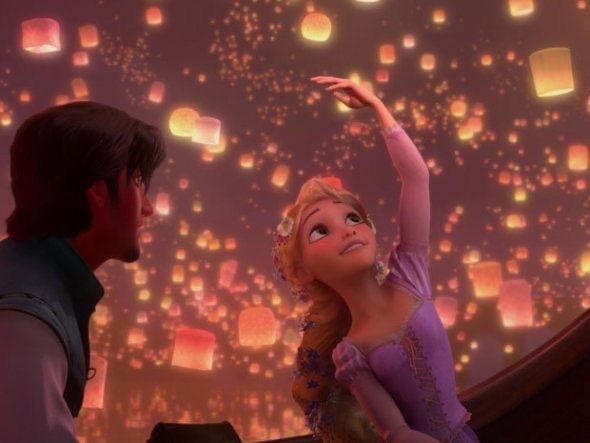
Not only has character design provided us with imaginative characters, but it has also evolved into CGI characters we know and love. Some examples include Hiccup from How to Train Your Dragon and Rapunzel from Tangled. Designers began to use more advanced computer software, allowing them to work with three-dimensional models to design characters. Through technology like performance capture, characters like Gollum from The Lord of the Rings and the Na’vi in Avatar have been brought to life, establishing heavily dedicated fanbases. With this software, character designers are capable of blending human acting with digital design, creating characters that we can imagine in the real world.
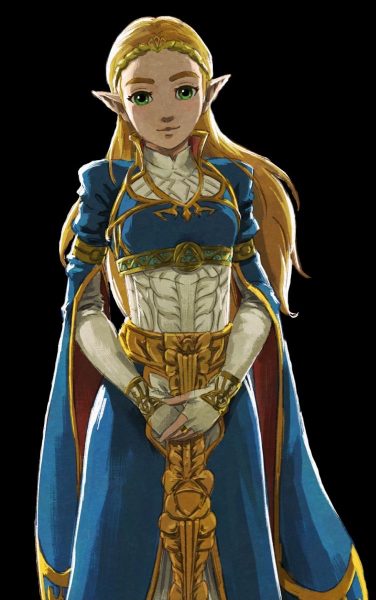
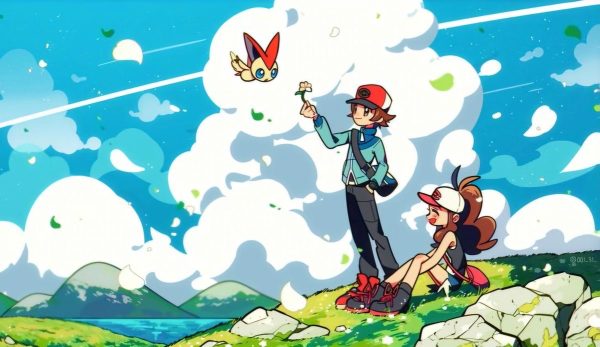
Character design is not only prevalent in cinema; it plays a driving role in video game interactivity. Several decades ago, technology was quite limited; however, despite pixel limitations, designers found ways to create iconic characters that continue to live on today. Think of Mario, Link, or perhaps even Pac-Man! However, with the introduction of 3D graphics in the 1990s, character design in video games was revolutionized. As character design continues to evolve alongside game development, we see modern trends appear: hyper-realistic models, customizable avatars, and stylized design. Through such interactivity, design is also affected in more than many ways; designers are forced to make characters readable from both multiple angles and distances. Yet, with such personability, we find a sense of comfort in such characters. This again reinforces the necessity for strong character design in media.
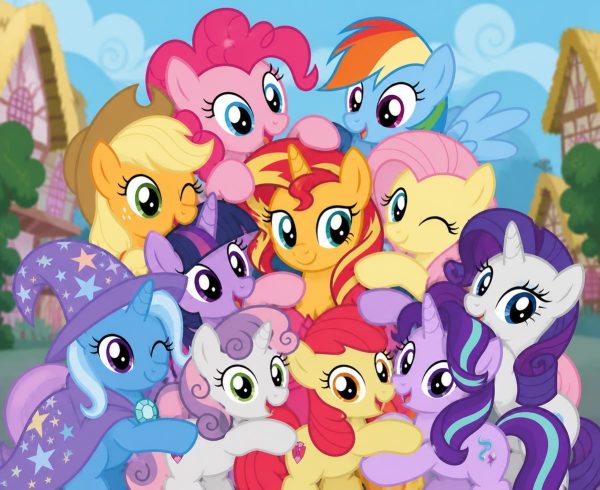
 Character design also plays a completely foundational role in children’s media, for they must consist of simplicity and appeal, while offering a somewhat educational purpose. Due to their audience’s young age, character designers oftentimes prioritize clarity, bright colors, and friendly shapes. When I was younger, my favorite cartoon was My Little Pony: Friendship is Magic simply because of the colorful ponies, yet each pony had an intricate story and design. It is also key for children’s media to focus increasingly on diversity and emotional learning. Any form of entertainment has quite an influence in younger years; this is why the characters we idolized as children more often than not stick with us, even today!
Today, character design has been quite modernized, and styles and technologies have become blended. With the rise of digital artists, online communities, and AI-assisted tools, we have seen a surge of different characters in media. Due to this trend towards creative inclusivity, there has been a global influence on character design. Popular animated movies have included diverse characters over the last ten years, such as Mei from Turning Red or Marinette from Miraculous Ladybug. Not only does this furthermore establish opportunities for artists globally, but it also permits more creative freedom amongst characters’ representations!
Characters in media have come a long way— from simple shapes and black and white design, to emotionally rich creations with three-dimensional surfaces; the evolution of character design has had an effect on our entertainment and pop culture. As our technology and culture continue to change and advance, we see a somewhat similar change in the media we consume. Not only do the characters we adore stand as storytellers, but they also act as confessions to our own personal character!