I’m going to take the bold assumption that the majority of people reading this article have, at one time or another, watched cartoons. Or perhaps you indulged in a video game, or maybe a neat science fiction movie. All of these forms of media exist today because of the art of animation— this not only has taken the last century by storm, but has had a great influence over global entertainment. Animation has soared internationally, both in the West and the East. Not only do children love cartoons, but many teenagers and adults enjoy animated media, including myself! 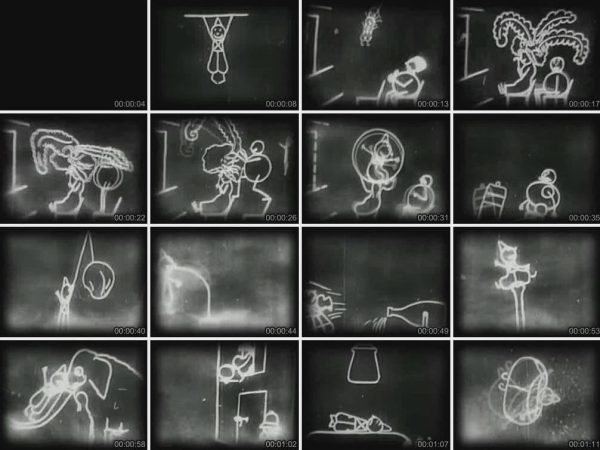
Animation dates back to the mid-19th century, with inventions such as the zoetrope, thaumatrope, and flipbook. For the vast majority, creations such as these entertained children. They provided a simple illusion that mimicked motion, establishing a way to document movement. One of the earliest animated films was Émile Cohl’s Fantasmagorie in 1908; this was the first hand-drawn short film. Additionally, Winsor McCay created Gertie the Dinosaur in 1914, which was also a first of its kind during the early 20th century. This experimental work, while perhaps not “feature-film” length, proved that animation could be more than a novelty— it told stories.
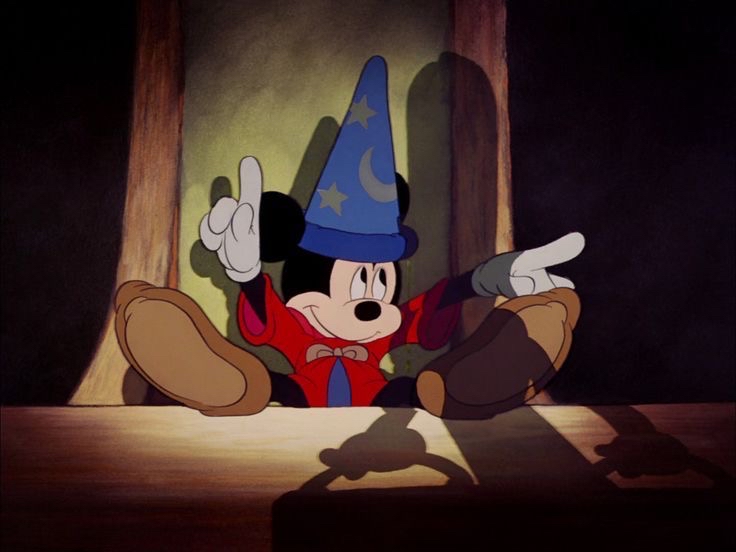
The Western side of the world, primarily the United States, entered what is now called its “Golden Age of Animation” in the late 1920s. There was a surge of major studios during this time, which you may be familiar with even today; such studios included Walt Disney Studios, Warner Bros, MGM, and Fleischer Studios. These big companies produced legendary characters that are still favored by millions, or perhaps billions, nearly a century later. Think of Mickey Mouse, Bugs Bunny, and Betty Boop. It was during this time that Disney produced Steamboat Willie, which became the first sound-synchronized cartoon. During this period, many breakthroughs followed, such as the use of Technicolor and the multiplane camera, which helped further advance animation into what it is today. Animated media was slowly taking over not only the theaters and pop culture, but the world.
Once the world entered the 1960s, animation once again faced a shift: television. TV was quite common now, and almost every family owned at least one television. That being said, animated films now had to migrate to television and produce shorter content. With this change came the birth of cartoons; shows you’re familiar with, such as Scooby Doo, The Flintstones, and Tomand Jerry, became wildly popular. Animation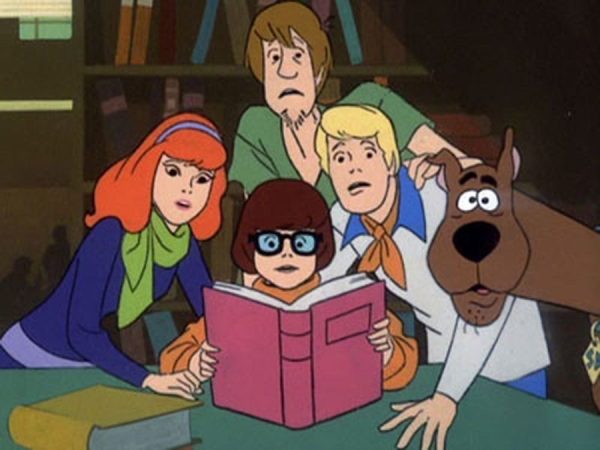 slowly started to expand beyond slapstick comedy and began to emerge into slightly more complex genres, such as adventure, science fiction, and even educational programming. International studios started influencing one another, which eventually paved the way for the surge of Eastern animation, which is now known as anime.
While Eastern animation, also known as anime, had already existed for many decades, it did not truly become widely popular until the early 1980s. With the occurrence of World War II, Japanese animation was greatly influenced by somber themes, typically conveying a deeper message. Osamu Tezuka, considered the “father of anime”, created Astro Boy in 1963, which stands as one of the first animated films that consisted of both emotional storytelling and distinctive Eastern style. While anime may be a form of entertainment, it stands as a strong cultural piece in Eastern society. As popularity rose, global attention increased. Japanese studios such as Studio Ghibli gained worldwide attention through their films, such as Howl’s Moving Castle and Spirited Away. Even today, anime continues to resonate with millions around the world through its emotional depth, imaginative storytelling, and youthful appeal; it has persistently maintained a passionate global fan community that only continues to grow.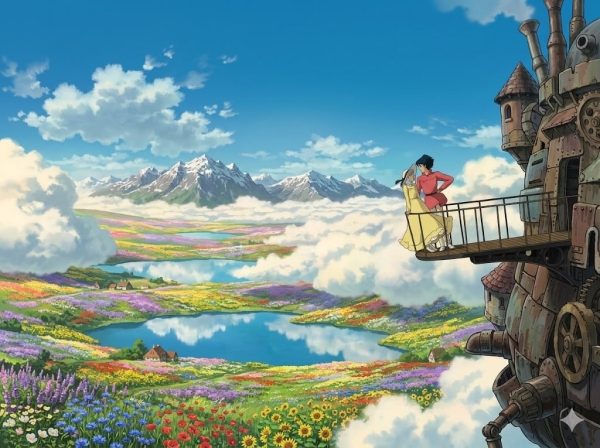
While we may compare both Western and Eastern animation for an eternity, both have come together to create the world of animation we know today. Modern animation surrounds us; it’s in media everywhere, sometimes without our noticing. With the growth of CGI in films, 3D, and hybrid animation, we only see growth in the art. Works such as James Cameron’s Avatar stand as a testimony to modern animation. We continue to see many large Western studios, such as Pixar or Dreamworks, create what seems to be more and more advanced animated pieces, but not without the aid of Eastern stylistic choices. You may see such through children’s shows such as Avatar: The Last Airbender and Teen Titans. Japanese studios continue to adopt digital techniques pioneered in the West; through this, we see great cross-cultural influence on both sides of the world. Animation stands as a universal language— regardless of origin, it connects humanity worldwide. 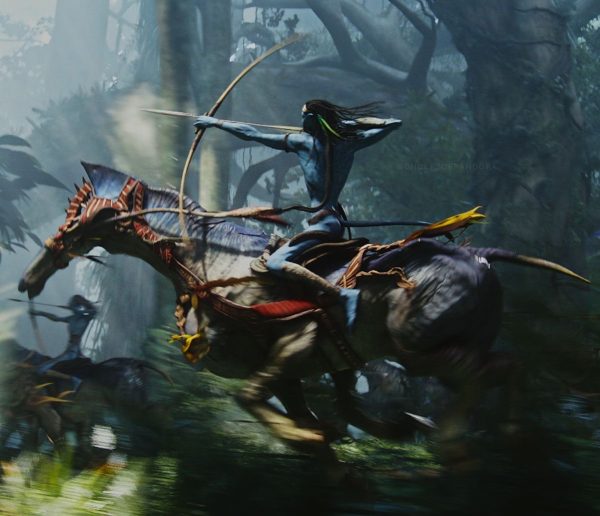
Animation has greatly evolved over the last 150 years, and perhaps shall continue to do so. From simple, primitive drawings, the art form has now become hyper-intelligent, creating scenery in films beyond our wildest imagination. Not only has it provided a chief source of entertainment for younger generations, but animation has also established key cultural elements across different societies. As technology advances and imagination flourishes, animation will continue to breathe life into the dreams of generations to come.