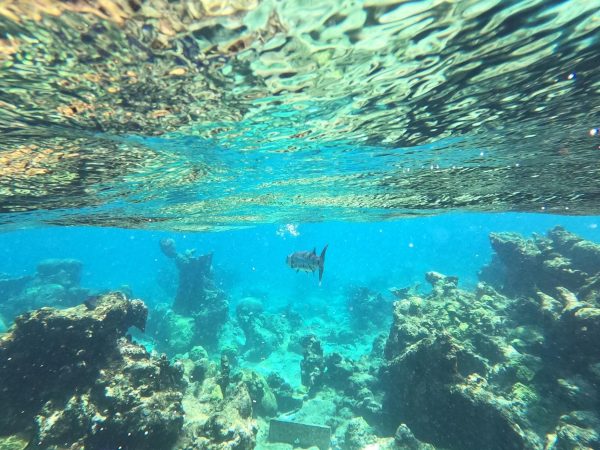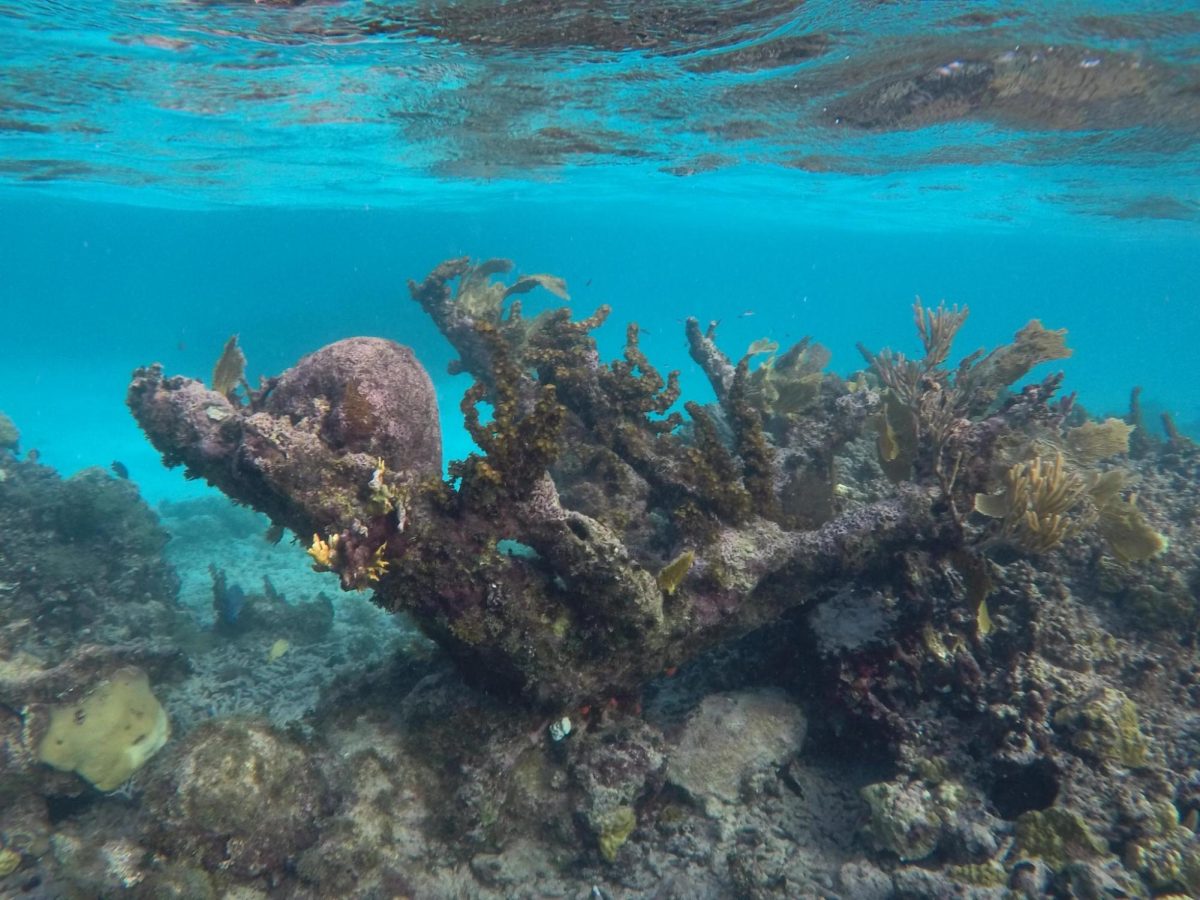
Coral reefs are a top tourist attraction for snorkeling and diving due to their magnificent beauty and the diverse marine life they support. Many marine species depend on coral reefs for homes, food, and protection. Coral reefs are underwater structures formed from small, living organisms, called coral. The young coral, known as polyps, root into the ocean floor and grow to create these beautiful reefs. Coral is not only important because it benefits ocean life but also because it helps protect many coastal towns, cities and islands from weather and water damage. Since coral reefs are a major tourist attraction, they also provide income for many coastal communities.
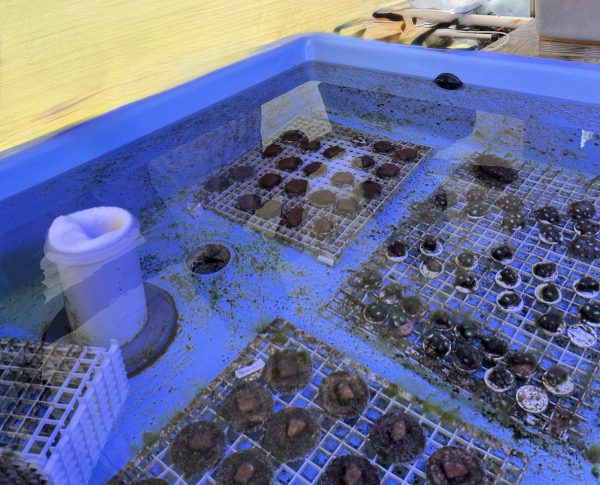
Unfortunately, all coral species are currently endangered due to pollution, climate change, invasive fish and coral species, invasive human activity, damage caused by ships and severe weather. In order for coral reefs to not go extinct, marine biologists and coral conservationists worldwide are working in many ways to preserve and restore coral reefs. This is known as coral conservation. There are four ways conservationists are trying to preserve coral reefs through specialized research. This includes research aimed at preventing invasive species from destroying the coral; finding the areas coral reefs that are being harmed the most; protecting the corals and their habitat from damage; increasing the population of coral polyps; and finding new techniques to prevent the spread of coral diseases, further preserving the current coral population. In addition to preserving coral, conservationists are also using different methods to restore coral reefs. Some ways they are doing this is by planting nursery-grown coral back into the ocean, creating suitable habitats for coral growth, and improving the genetics of coral to allow it to be more suitable for harsh weather. All of these ways of preservation and restoration are helping to increase and save the coral population.
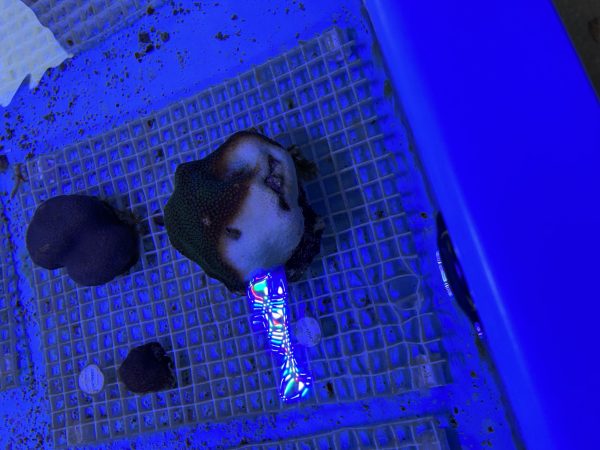
Although marine biologists and coral conservationists are doing so much to help restore and preserve coral reefs, they still need your help. Some ways you can help to protect coral reefs are by snorkeling and boating responsibly, avoiding damaging the reefs, wearing reef safe sunscreen, and volunteering to clean up reefs and beaches. By doing these things you, in addition to the conservationist, are helping to persevere the life and beauty of not only coral reefs but marine life and coastal communities.