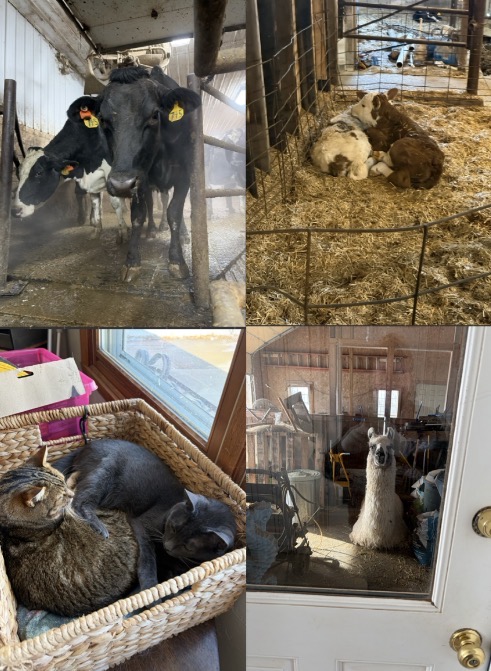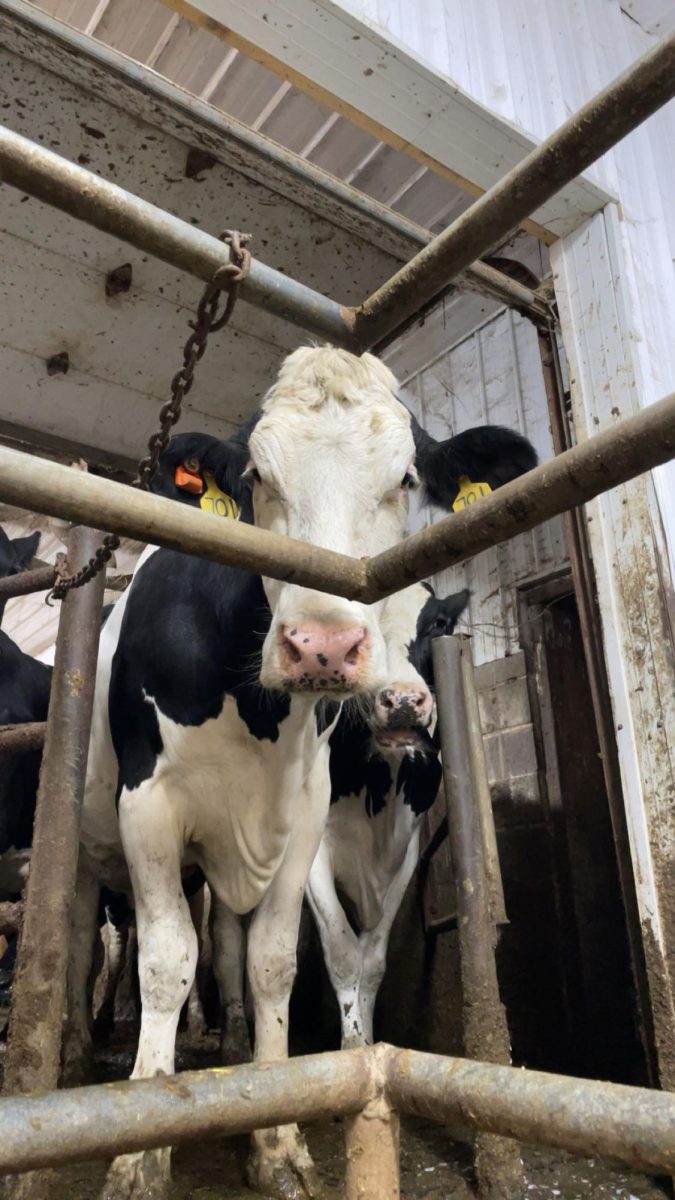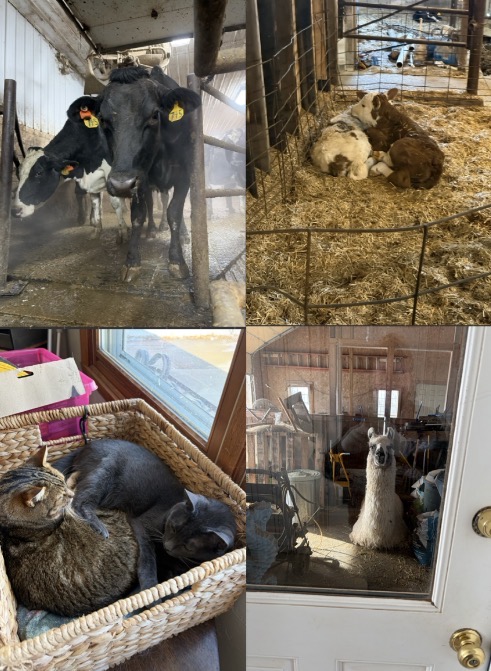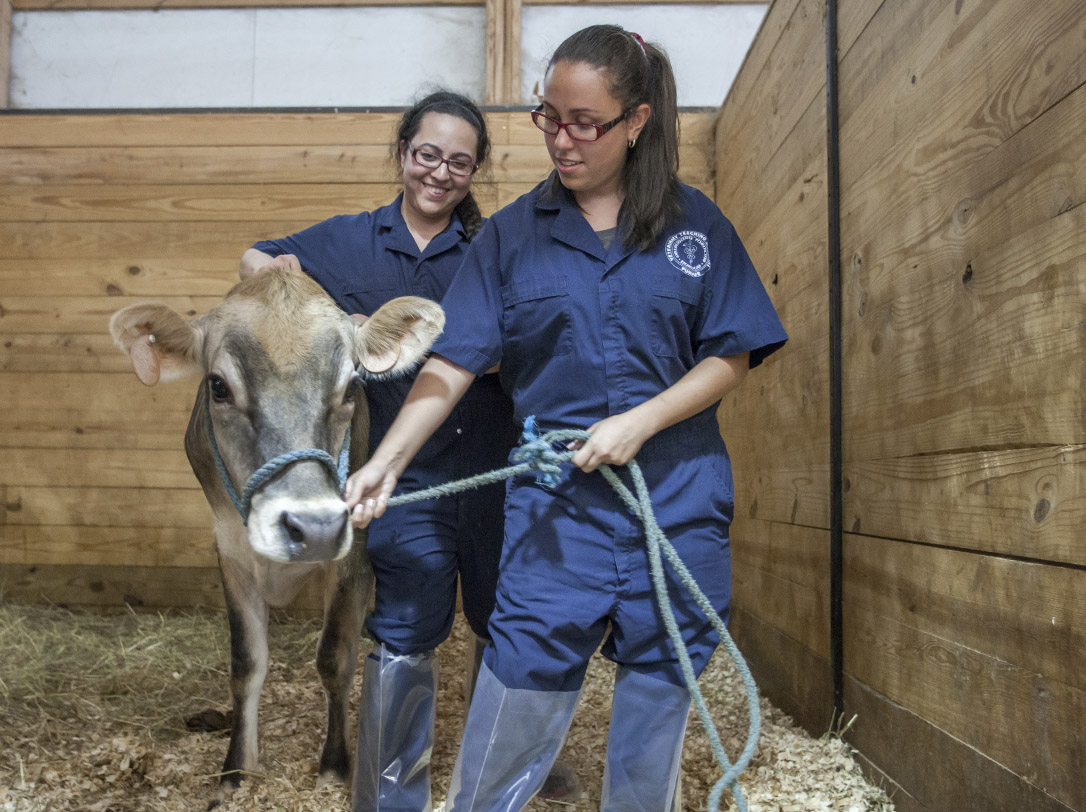
Veterinarians are needed on farms, and can be known as livestock veterinarians. The main animals that would fall under these vets are cattle, pigs, sheep, and horses. They ensure the health, comfort, productivity, and safety of the animals. This is done through thorough care, disease management, and practicing the correct nutrition and farm routines. Livestock vets are not only important for the animals, but also to the farmers especially those who rely on the animals for food. Livestock vets are also tasked with many different responsibilities. This can range from health checks, giving out vaccines, doing surgeries, and responding when an emergency happens. With these responsibilities they are not only focusing on one of the animals, they are also watching out for the whole herd or flock.
Livestock vets guarantee that the animals live in good health, and aren’t suffering or in pain. To ensure the animals are doing well, they provide proper housing, handling, nutrition, and kind treatment. Livestock vets are there to diagnose what is wrong, and to give out medication. They monitor the animal on the medication, and ensure the treatments meet legal and safety requirements if that animal is meant for food purposes. Livestock vets help manage the animal’s reproductive process. They do procedures like artificial insemination, pregnancy diagnosis, assisting birthing, and attending reproductive conditions. Additionally, through artificial insemination vets are able to bring in different genetics into the farmer’s herds that can provide better productivity and are disease resistant. Livestock vets can also serve as educators and advisers, giving out the best advice to farmers. They offer the best practices, disease identification, safety, and overall herd supervision. Their advice can help farmers make knowledgeable decisions to ensure and improve the health of their animals and farm profit. Overall, veterinarians are partners with farmers to provide their animals care. This is done through clinical expertise, disease prevention and identification, and giving guidance on their animal’s health, welfare, and farm profit.