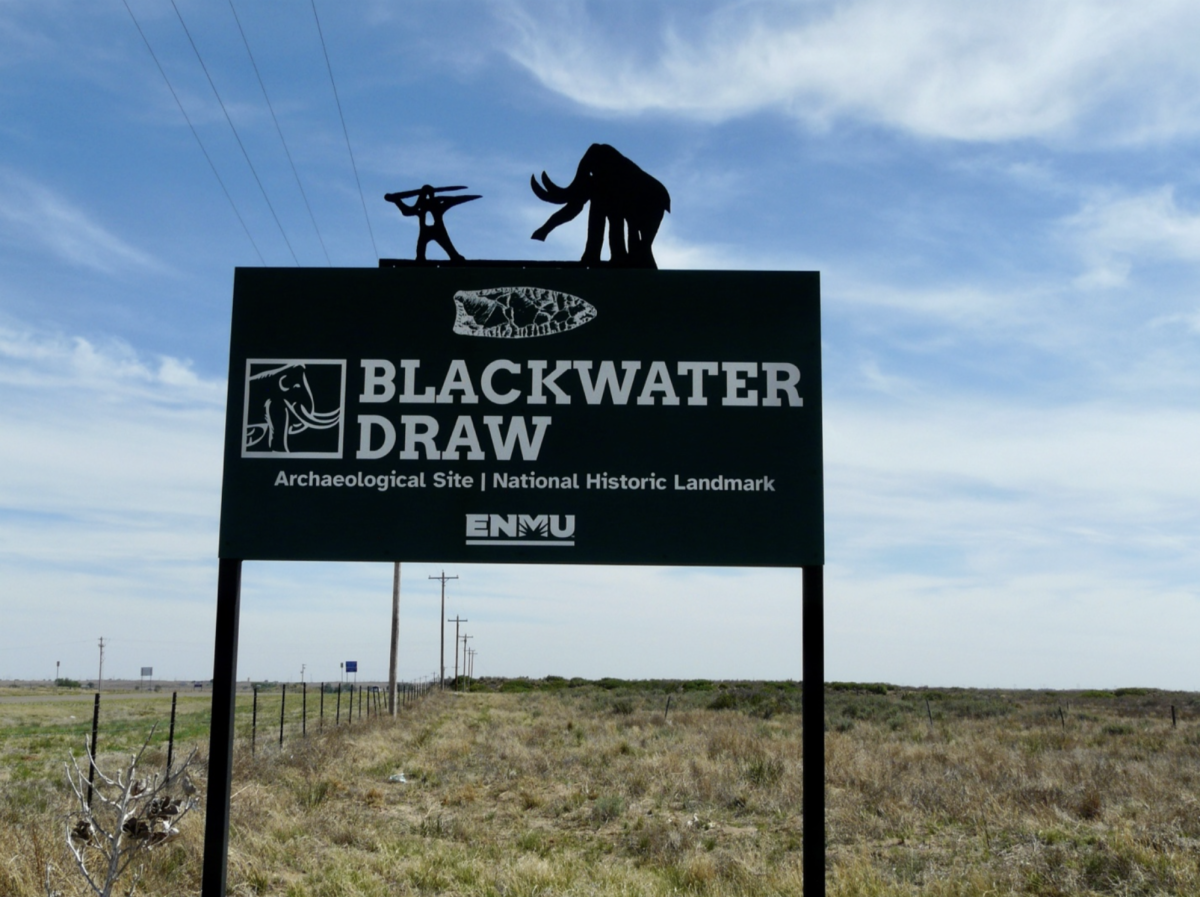
The Black Water Draw Site, located in Portales New Mexico, is named after the blackwater draw that used to exist at this site thousands of years ago. It is an Archeological site and the National Historic Landmark of the Clovis people. The Clovis people are one of the oldest groups of peoples that existed in North America.
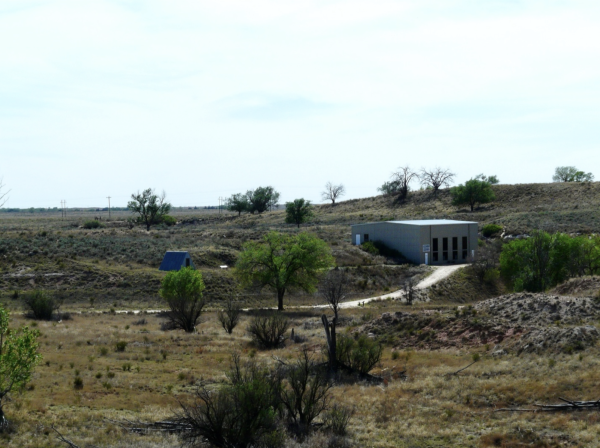
During the time of the Clovis people, this landscape contained a lake that drew in many prehistoric animals. Some of these prehistoric animals were the Colombian Mammoth, the prehistoric bison, saber tooth cats, prehistoric wolves, and many prehistoric birds.
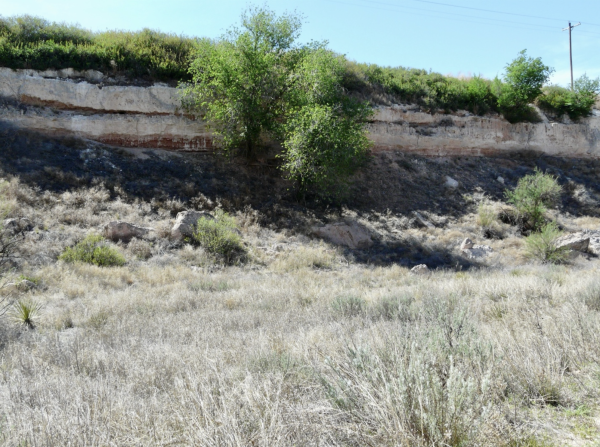
Although it is not currently, this landscape at that time was teeming with life. Due to this, the Clovis people also lived here and survived off many of these creatures for food. Although this lake does not still exist, you can still see where it would have been and imagine the creatures that might have roamed here.
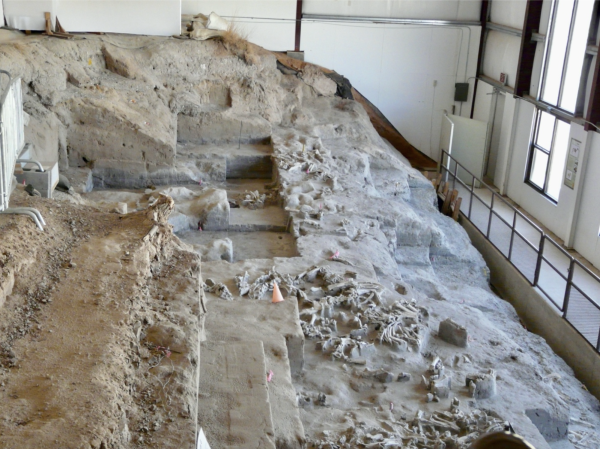 This site was first discovered in 1929 by a local rancher named James Rigley Whiteman who found arrowheads and mammoth bones on this site. This was significant because at this time archeologists did not believe that people had been living in North America for that long. However, it wasn’t until three years later that an archeologist from the University of Pennsylvania, named Edgar B. Howard, came to this site and began excavation. The excavation of this site continued for the next several years.
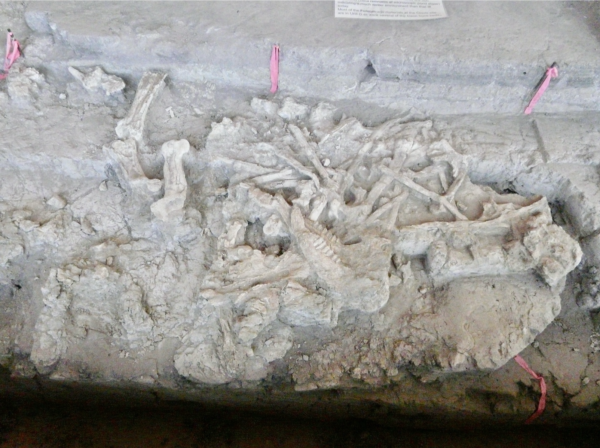
The first excavations of the Black Water Draw site took place from 1932 until 1937. During this time, Howard and other archeologists found one of the twenty-eight mammoths found at this site. The excavations of this site have continued until today.
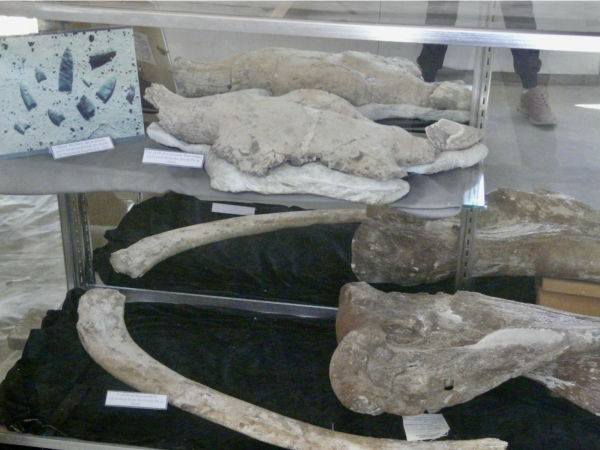
In addition to the mammoth and bison remains, several projectile points, known as clovis points or arrowheads, were found during the excavation. This showed that people existed during these times and were hunting the animals. Other artifacts found during the excavation were tools used to butcher the animals.
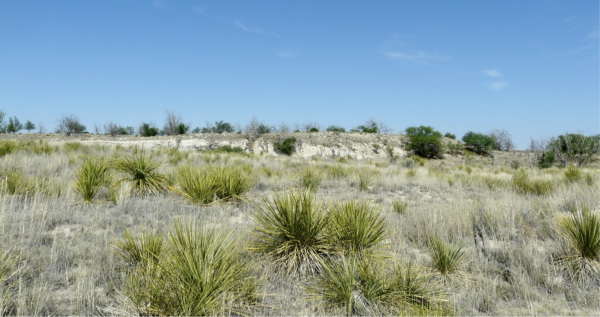
Although the black water draw was a well watered landscape 12,000 years ago, it is very dry land today. Most of the vegetation has become drought resistant. One of these native plants that can be seen is the yucca. Most of the animals that live in this area have also adapted to this climate. Common animals are rattlesnakes, coyotes, mule deer, and rabbits.